Skip to content

Dog Harnesses

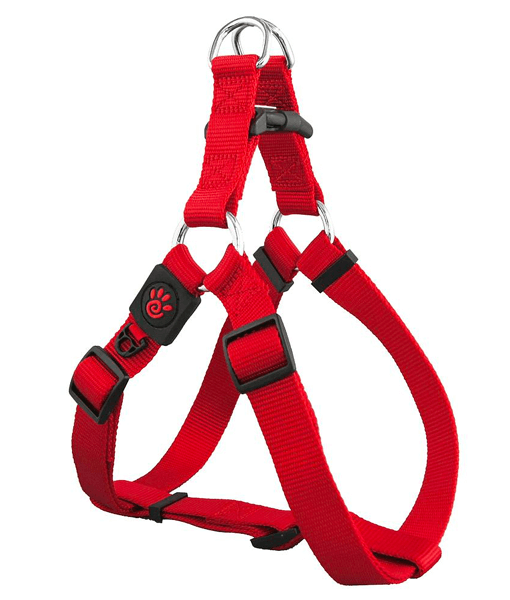
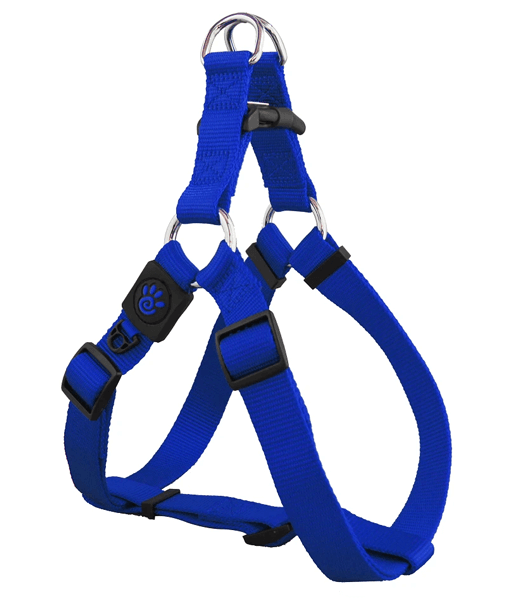
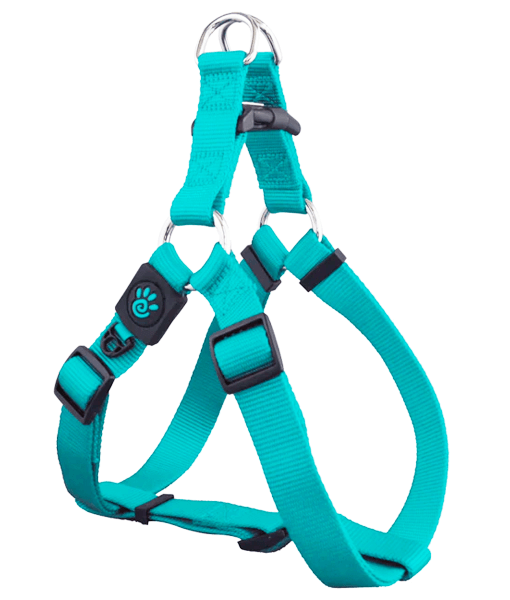
Walk your dog safely and comfortably with our range of Dog Harnesses. Whether you need a no-pull front-clip harness, a padded everyday option, a step-in design, or a lightweight mesh harness for warmer weather, our selection covers every style and functional need for dogs of all breeds, sizes, and walking habits.

A harness distributes lead pressure evenly across the chest and shoulders rather than the neck, making it a safer and more comfortable option for most dogs, especially those that pull, brachycephalic breeds, dogs with neck sensitivities, and puppies still developing.

Why Choose Our Dog Harnesses?

  • Safer Than Collar-Only Walking Reduces pressure on the neck and trachea by distributing lead force across the chest and shoulders.
  • No-Pull Designs Available Front-clip options gently redirect pulling behavior without causing pain or discomfort.
  • Comfortable Fit Padded and breathable designs that move naturally with your dog without restricting gait or causing chafing.
  • Step-In & Overhead Options Suits dogs that are sensitive about having equipment put over their head.
  • Multiple Attachment Points Dual front and back clip options for both everyday walking and training.
  • Reflective Options High-visibility stitching and colors keep your dog safe during low-light outings.
  • Easy to Adjust Multiple adjustment points for a precise and secure fit on any body shape.

Explore our full range of Dog Harnesses available in Lebanon and find the perfect fit for safer and more enjoyable walks every day. Enjoy same-day delivery in Beirut and up to 3 days anywhere in Lebanon.

FAQ

How do I measure my dog for a harness?

The most important measurement for harness fitting is your dog's chest girth, taken at the widest point of the chest just behind the front legs. Use a soft tape measure and hold it snugly but not tightly around the chest. Also measure your dog's neck circumference and body length if required by the specific harness style. Always refer to the size guide provided with each individual harness as sizing varies significantly between brands and harness styles, and never assume that the same size will apply across different products.

How should a harness fit my dog?

A correctly fitted harness should allow two fingers to slide comfortably underneath any strap at any point without being so loose that it shifts excessively during movement or could be stepped out of. The harness should sit flat against the body without twisting, bunching, or riding up into the armpits, and should not restrict your dog's natural shoulder movement or front leg stride in any way. Check all adjustment points after fitting and after the first few walks as harnesses often need minor readjustment once your dog has moved in them.

Is a harness better than a collar for a dog that pulls?

Yes, a harness is generally a much better option than a collar for dogs that pull consistently on the lead. Repeated pulling against a collar concentrates significant pressure on the neck and trachea, which over time can cause or worsen tracheal damage, neck pain, and even eye problems in some breeds due to increased pressure. A front-clip no-pull harness distributes this pressure safely across the chest and simultaneously helps address the pulling behavior through gentle redirection, making it both a safer and a more effective tool for managing pulling dogs.

Can my dog wear a harness all day?

While harnesses are comfortable for walking and activity periods, most are not designed for all-day continuous wear. Wearing a harness for extended periods without breaks can cause rubbing, pressure sores, and coat matting at the contact points, particularly around the armpits and chest. It is generally recommended to remove the harness when your dog is resting at home, sleeping, or spending time in their crate, and to use a flat collar with ID tags for continuous everyday wear instead.

Powered by Omni Themes